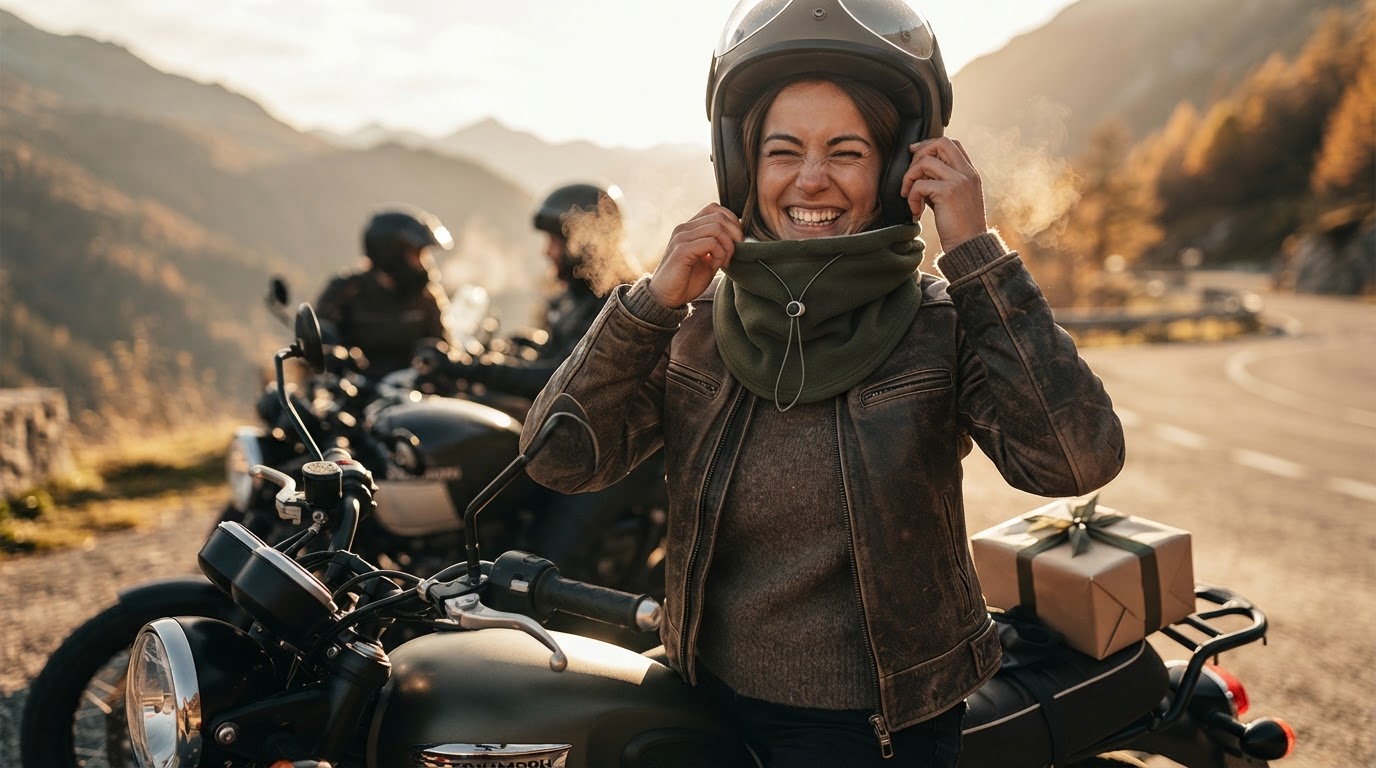
Optimizing Thermal Balaclava Use for Motorcycle Riders
 Priya RamanSenior Analyst
October 12, 2026. This analysis details the functional integration of a motorcycle neck warmer hood into a rider's safety and comfort system. It is written for motorcyclists who require consistent thermal regulation during high-velocity winter transit.
To understand the efficacy of headwear in high-speed environments, think of it as a matrix of air permeability and moisture management. When riding at highway speeds, the ambient temperature is significantly lower than the static thermometer reading due to wind chill. The primary problem for riders is the gap between the helmet and the jacket collar, a zone where traditional scarves or loose gaiters often fail. The motorcycle neck warmer hood must function as a bridge, maintaining a seal without creating bulk that restricts head rotation. The physics of riding dictate that any exposed skin leads to rapid heat loss through convection. This is particularly dangerous for the neck, which houses major arteries; cooling this area can lead to a drop in core body temperature and reduced cognitive reaction times. For those transitioning from civilian use to more demanding environments, understanding [tactical balaclava requirements for winter operations](/blog/tactical-balaclava-winter-operations) provides insight into how professional gear manages these extreme thermal gradients.
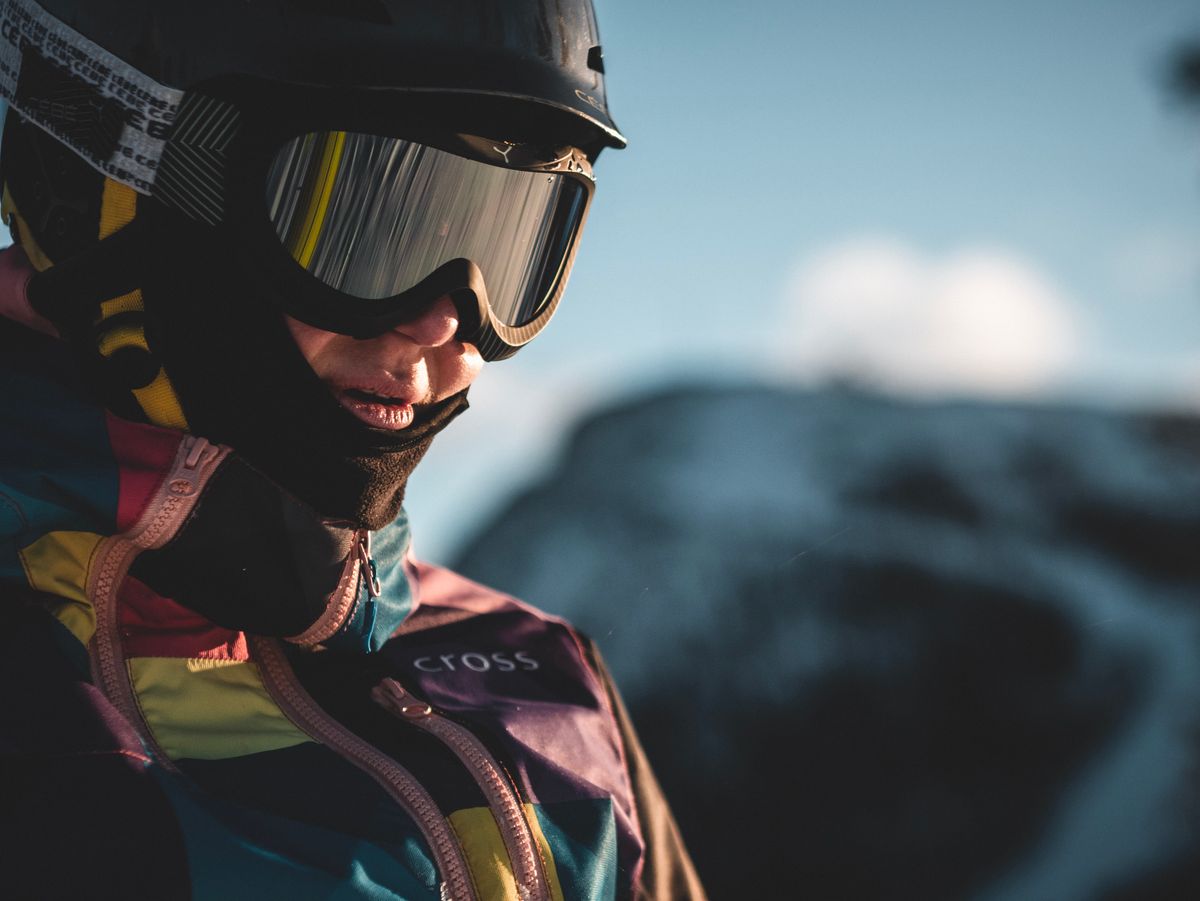
Photo by Christian Fridell on Pexels
The Thermal Balaclava addresses these specific aerodynamic challenges through a multi-panel construction that fits under a standard full-face helmet. The design focuses on the two axes that matter here: facial coverage and neck extension. By utilizing a fleece balaclava hood structure, the garment provides a soft internal loft that traps air while the outer surface acts as a barrier against the ingress of cold air. This specific material choice is crucial because a windproof balaclava must remain breathable enough to prevent visor fogging. When evaluating if a [Thermal Balaclava works as a windproof neck warmer hood](/blog/thermal-balaclava-windproof-neck-warmer-hood), the synthesis of the material's weight and its ability to tuck deep into a riding jacket becomes the deciding factor. Unlike a standard ski mask for winter, which may have a blunt cut at the chin, this specialized hood extends the thermal protection down to the clavicle, ensuring that the wind cannot find an entry point at the collar line. This is a critical distinction for riders who find that standard gear leaves the throat vulnerable to the 'chimney effect' where cold air is sucked upward into the helmet.
The decision rule: Choose a configuration based on the intersection of your helmet's ventilation and the duration of your exposure. Once you see it this way, the selection process becomes a matter of matching gear to the specific velocity and temperature variables of your route. Before committing to a purchase, it is essential to review the specifics of [balaclavas for winter riding](/blog/motorcycle-balaclava-winter-riding) to ensure the thickness does not interfere with your helmet's safety rating or fit. A properly fitted hood should not shift when you perform a shoulder check, nor should it bunch up and create pressure points against the ears or temples. The integration of a windproof neck warmer hood into your daily kit requires a checklist to ensure maximum utility:
- Verify that the neck extension length is sufficient to stay tucked under the jacket at full head extension.
- Ensure the seams are flat-locked to prevent skin irritation under the weight of a helmet.
- Confirm the material provides high moisture-wicking properties to prevent sweat from cooling the skin during stops.
- Test for a secure fit around the nose and mouth to redirect exhaled breath away from the visor.
- Check that the fabric weight allows for easy movement and does not restrict the ability to check blind spots.