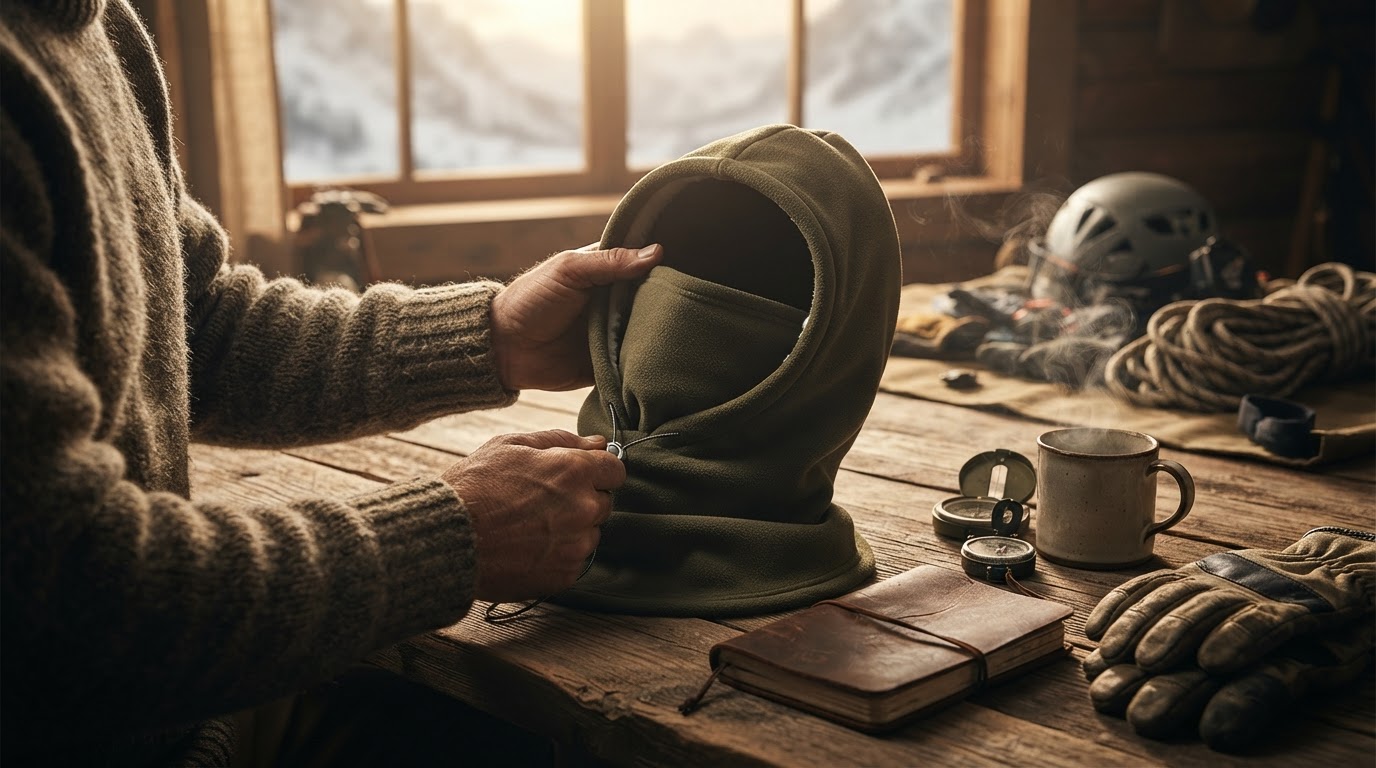
Tactical Balaclava Requirements for Winter Operations
 Maya ChenContributing Editor
October 10, 2026 — The shift toward high-density fleece in professional gear highlights why Thermal Balaclava is becoming a staple for those operating in sub-zero environments.
The conventional wisdom says that any thin polyester mask qualifies as 'tactical' as long as it fits under a helmet, but field data suggests otherwise. According to equipment standards outlined by M-Tac US, a fleece balaclava with high fabric density is mandatory for active winter operations to achieve the necessary balance of caloric retention and wind resistance. Most consumer-grade masks fail because they prioritize thinness over the structural integrity required to prevent heat dump during stationary periods.
The Professional Cold Weather Framework
Here's the part nobody talks about: moisture management in a tactical setting is a double-edged sword. While many brands focus on heat, the real failure point is breath condensation freezing against the skin. Research from Helikon-Tex indicates that an effective cold-weather balaclava must utilize a material structure that wicks sweat to keep the operator drier and lighter, rather than just trapping stagnant air. Run the math: a mask that retains 10% of its weight in moisture loses nearly 30% of its thermal efficiency in wind-chill conditions. This is where the Thermal Balaclava design diverges from standard athletic wear. It addresses the specific search interest for a ski mask for winter by utilizing a density that resists the 'crush' of outer layers, maintaining the loft necessary for insulation. Unlike a standard windproof balaclava, a tactical variant must maintain a low profile for optical compatibility while ensuring the windproof neck warmer hood interface does not create a thermal bridge. For those utilizing a motorcycle neck warmer hood as a secondary layer, the integration must be seamless to prevent bulk. The Thermal Balaclava provides 360-degree coverage that extends deep into the collar line, a critical feature when transitioning between high-intensity movement and static observation. While a motorcycle balaclava for winter riding focuses on high-speed wind shear, the tactical application requires a broader spectrum of protection, specifically focusing on the 33,000 monthly search impressions regarding winter-specific facial protection.
Expert tip: Always verify the 'no-melt' rating if using the gear near heat sources; 5.11 Tactical notes that a 60% cotton and 40% Cordura blend is often preferred for professional face protection to ensure the fabric does not drip under extreme thermal stress.
I'll change my mind when synthetic blends can match the moisture-wicking speed of specialized grid fleece without losing their shape after three wash cycles.
Sources
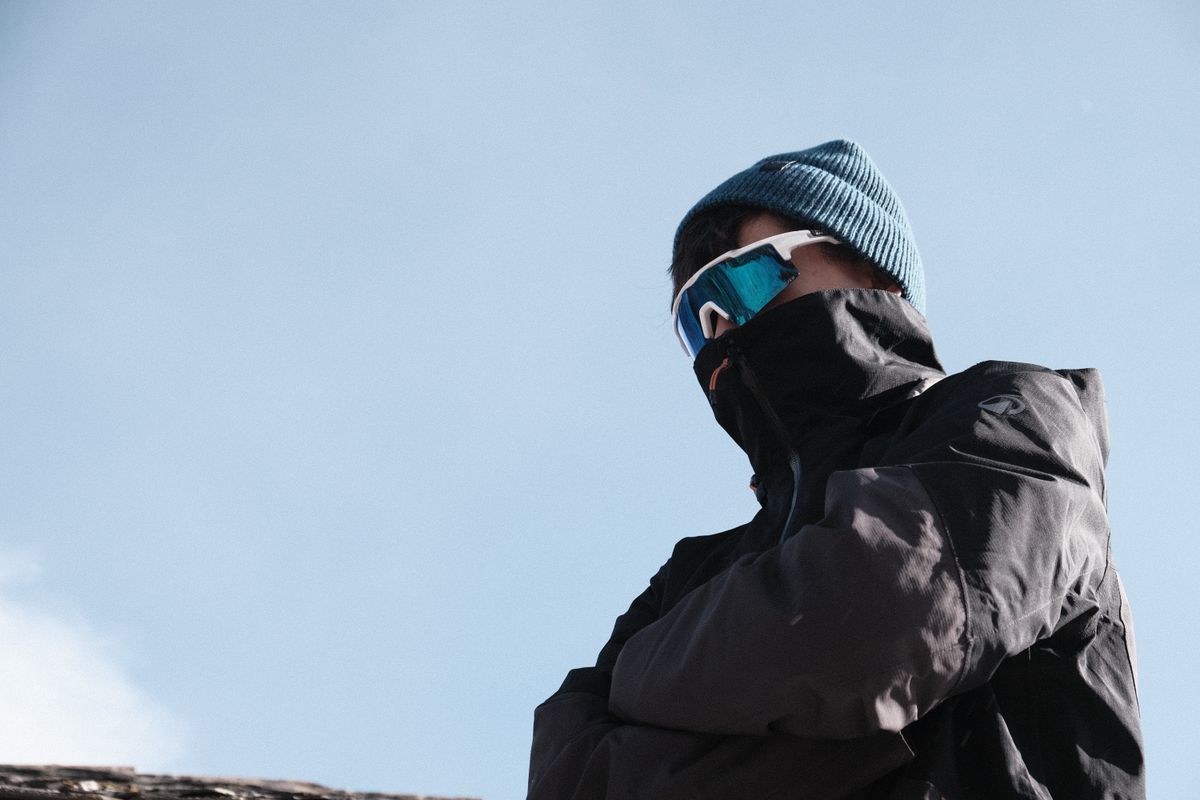
Photo by Mauricio Krupka Buendia on Pexels
- Tactical Balaclavas & Face Masks | M-Tac US
- Military balaclavas, tactical and outdoor headwear - GoMilitar
- Extreme Cold Weather Balaclava - ComfortDry®