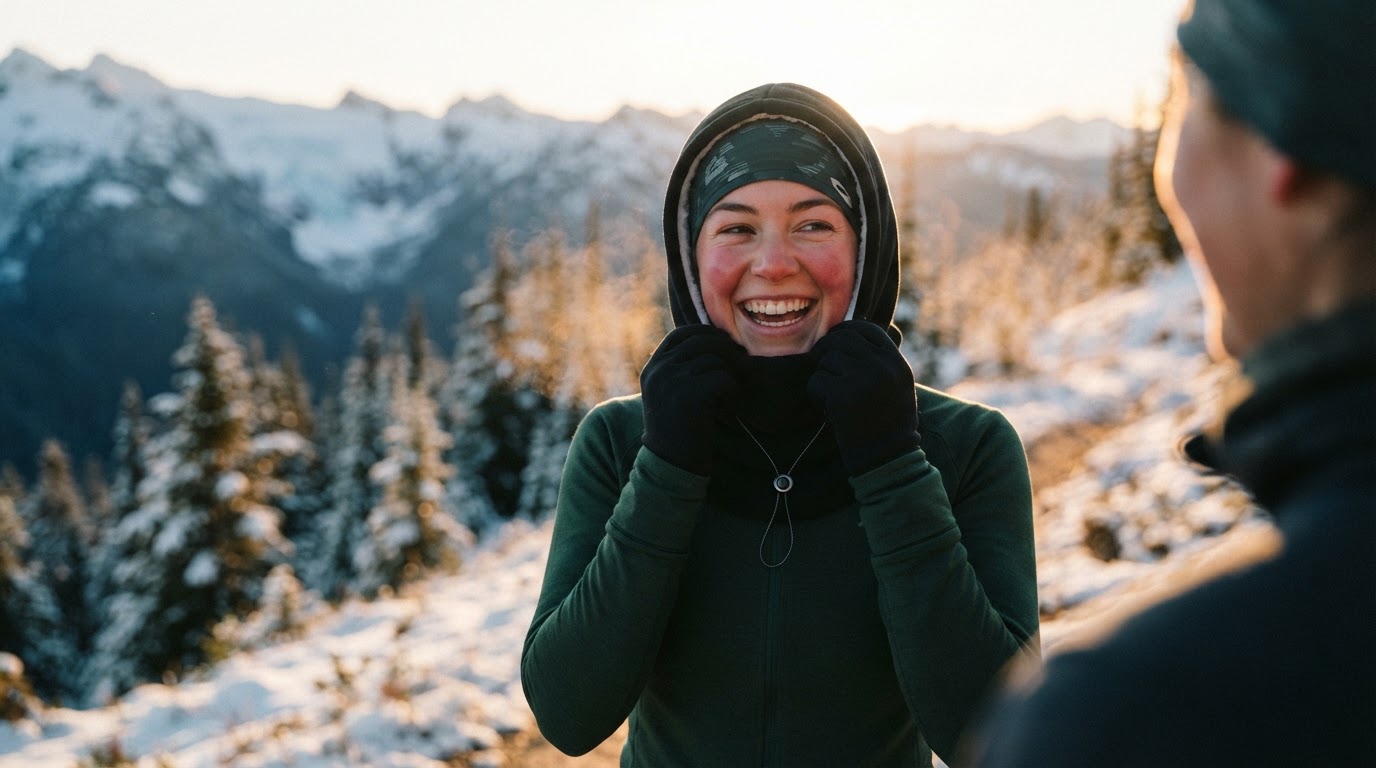
Thermal Balaclava Strategies for Running in Extreme Cold
 Maya ChenContributing Editor
October 18, 2026 — Recent shifts in winter fitness trends show a growing demand for high-performance headwear, specifically the Thermal Balaclava, as runners push into deeper sub-zero territory. While general athletic gear suffices for autumn, extreme conditions require a specialized approach to facial protection and thermal regulation.
The conventional wisdom says that any breathable mask will prevent frostbite during a long run, but this ignores the physics of condensation in sub-freezing temperatures. According to RunToTheFinish, specific designs like the CALIA Running Balaclava are often recommended for their ability to transition as the body warms up, yet many runners find that standard polyester blends fail once saturation occurs. In extreme cold, the primary challenge is not just insulation, but managing the moisture from exhalation that can quickly turn to ice against the skin.
The 4-Point Thermal Protocol
Effective management of extreme cold requires a rigorous adherence to material science and fit. The first priority is moisture wicking; as noted in technical specifications for the Helikon-Tex Extreme Cold Weather Balaclava, a ComfortDry material structure is essential to pull sweat away from the skin to keep the runner drier and lighter. Run the math: a saturated mask loses up to 75% of its thermal efficiency through conductive heat loss. The second priority is respiratory heat exchange. A proper Thermal Balaclava must facilitate a micro-climate in front of the mouth to pre-warm air before it enters the lungs, reducing the risk of exercise-induced bronchospasm. Third is the integration of a winter face mask for cold weather that allows for peripheral vision without compromising the seal around the goggles or brow. Finally, the garment must offer a multi-positional design. This allows the runner to drop the face shield during high-intensity intervals and pull it back up during recovery periods or when heading into a headwind. Choosing the right fleece lined balaclava involves balancing these four factors against the specific wind chill ratings of the day. Unlike a standard hunting face mask for cold weather, which may prioritize camouflage and static warmth, a full face mask for running in winter must account for a high metabolic rate and significant vapor output.
Expert tip: Look for flat-lock seams and a minimum 200g/m² fabric weight for runs below 10°F. Here's the part nobody talks about: if your balaclava doesn't have an elongated neck drape, you're losing significant heat through the carotid arteries, regardless of how thick the face covering is.
I'll change my mind when textile manufacturers can produce a non-mechanical fabric that provides 100% wind-blocking while maintaining the breathability required for a VO2 max effort. Until then, the layered approach remains the only viable solution for the extreme cold runner.
Sources
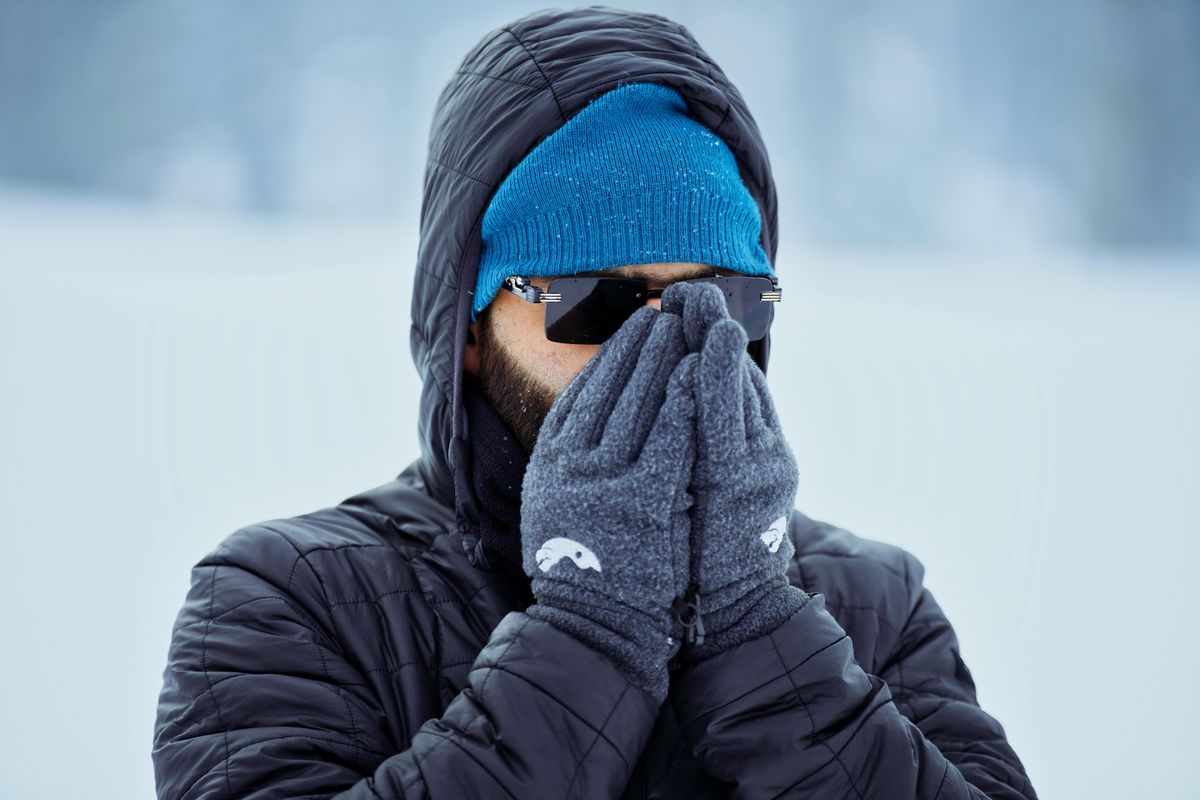
Photo by Rayees Sofi on Pexels
- Cold Weather Balaclava | Skida | Headwear & Accessories - Skida
- 6 Best Running Balaclavas - RunToTheFinish
- Balaclava that allows me to breath while running? - Backpacking Light