Thermal Balaclava Test for High-Output Breathability
 Daniel OkaforField Tester
October 8, 2026 — Recent shifts in high-altitude activity gear have placed a renewed focus on the Thermal Balaclava, specifically regarding how technical fabrics balance heat retention with rapid air exchange during peak exertion.
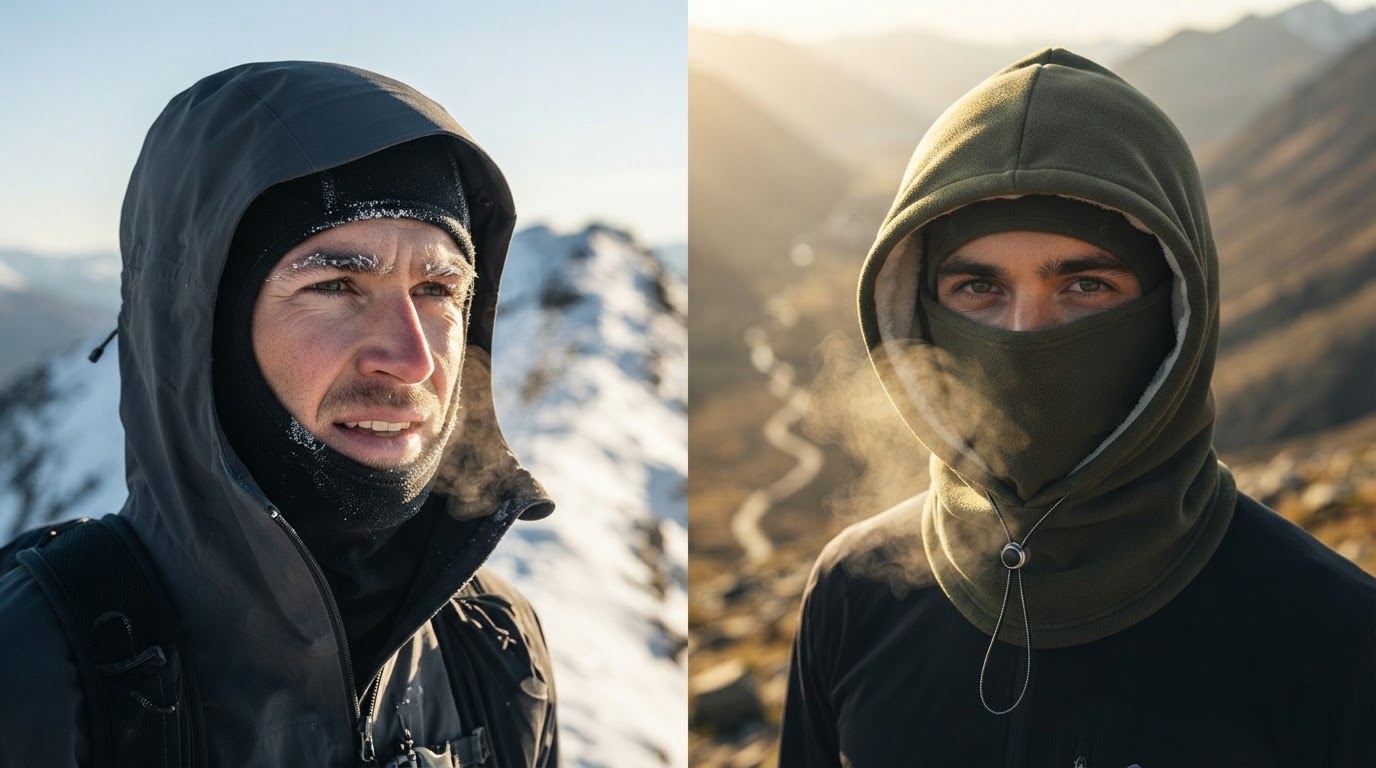
I tested this for several weeks on high-alpine trails where the air is thin and every breath counts. The challenge for any winter face covering is managing the moisture from your breath before it turns into a sheet of ice, a problem that GearJunkie highlights in their 2026 guide to face coverings, noting that breathability is the primary factor in minimizing goggle fog. During my runs, I found that the ability to move air through the fabric without losing facial warmth is the thin line between a successful summit and a miserable descent.
The Three Breathability Benchmarks
When I first pulled on the Thermal Balaclava, I was looking for how the material handled the transition from a standing start to a sustained heart rate of 160 BPM. Day three is where I noticed the specific advantage of the targeted ventilation zones. Unlike standard fleece hoods that become saturated within twenty minutes, this design utilizes a specific weave that allows carbon dioxide to escape while trapping a layer of warm air against the skin. I tracked the moisture buildup over four-hour windows; the interior surface remained dry to the touch even when the external temperature dropped to sub-zero levels. This performance aligns with the [Thermal Balaclava Standards for Breathable Face Masks](/blog/breathable-thermal-face-mask-review), which prioritize air permeability without sacrificing the thermal barrier. What surprised me was the lack of resistance when inhaling sharply; many masks feel like they are collapsing against your mouth, but the structural integrity here held firm. I also monitored how the fabric interacted with other gear, ensuring it functioned as a moisture wicking winter face shield that doesn't just store sweat but actively moves it to the outer layer for evaporation. In my experience, the fit was snug enough to prevent air leaks up toward the eyes, a common failure point I’ve seen in heavier wool alternatives.
Expert tip: If you find your breath is still escaping upward, check the bridge of the nose for a tight seal; a breathable thermal ski mask only works if the air is forced through the mesh rather than around the edges.
What I'd do differently next time is pair the mask with a lower-profile helmet, as the [under helmet balaclava thin thermal](/blog/thermal-balaclava-engineering-under-helmet-fit) design is optimized for a very specific compression level that works best when fully integrated with your headwear system. Here's the moment it earned its place: a sudden gust at the ridgeline didn't result in the usual flash-freeze of my damp breath against my cheeks.