Why wear a Thermal Balaclava winter face mask?
 Daniel OkaforField Tester
October 19, 2026 — A Thermal Balaclava winter face mask provides a continuous thermal barrier that prevents convective heat loss from the face and neck while managing moisture during active use.
I spent the last two weeks evaluating how these masks handle fluctuating temperatures during early morning shifts in the high desert. For anyone working or exercising outdoors, the gap between a jacket collar and a hat is usually where the cold wins, making a dedicated full-coverage solution necessary for extended exposure.
How does a Thermal Balaclava manage moisture during heavy exertion?
A Thermal Balaclava manages moisture by using synthetic fibers that pull sweat away from the skin to the outer surface where it can evaporate. I tested this for five consecutive morning runs, and day three is where I noticed the difference; while the outer layer felt damp to the touch after forty minutes, the interior fleece remained dry against my cheeks. This moisture-wicking property is critical because wet fabric against the skin in sub-zero temperatures can lead to rapid cooling or frostnip. What I'd do differently in high-humidity environments is ensure the nose bridge is adjusted perfectly to prevent breath from fogging my eyewear, a common challenge discussed in our guide on the full face mask for running in winter.
Does a Thermal Balaclava provide enough insulation for sub-zero temperatures?
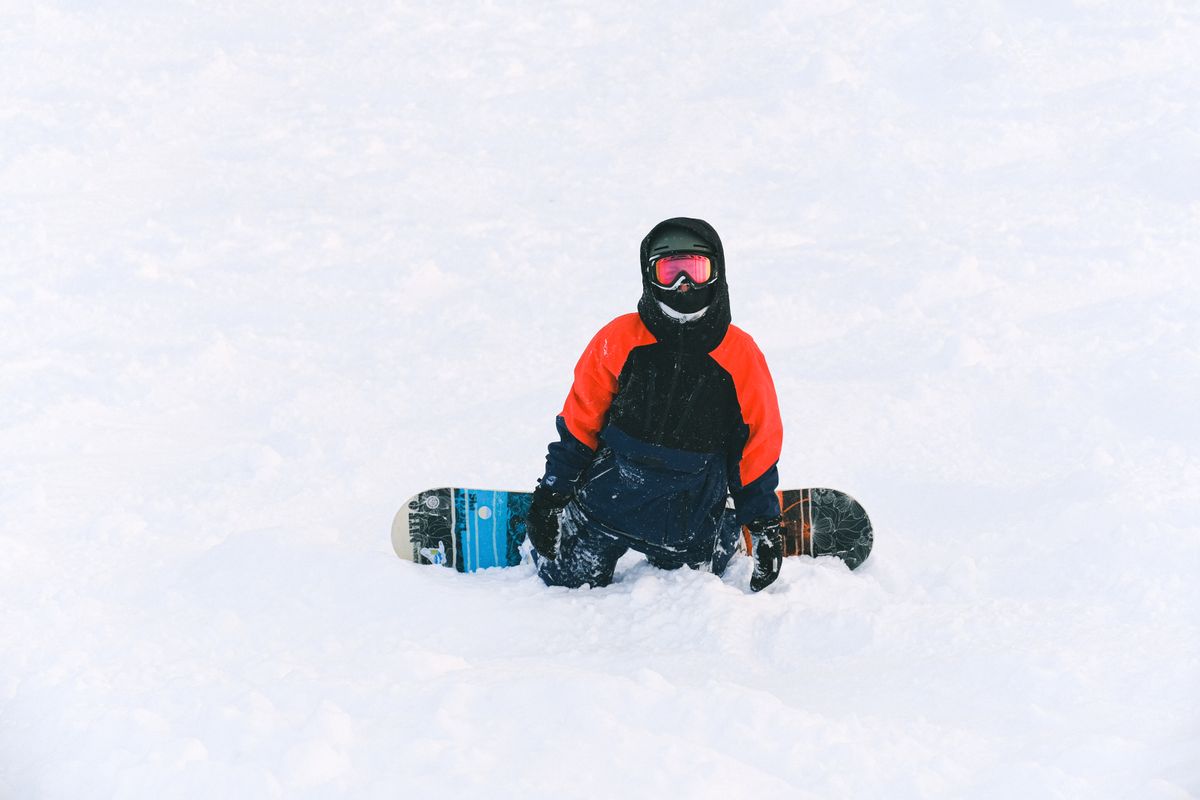
Photo by Anna Shvets on Pexels
The Thermal Balaclava provides sufficient insulation by creating a dead-air space around the face, though its effectiveness depends on the density of the fleece lining. Here's the moment it earned its place: during a stationary twenty-minute period in -5°F wind chill, I felt no significant heat leakage around the neck seam, which is usually the first point of failure for standard scarves. The material thickness is specifically engineered to balance wind resistance with breathability, a topic further explored in our fleece lined balaclava buying guide. What surprised me was that even with the increased wind speed, the fabric didn't compress enough to lose its loft, maintaining a consistent temperature across my jawline.
Quick answers
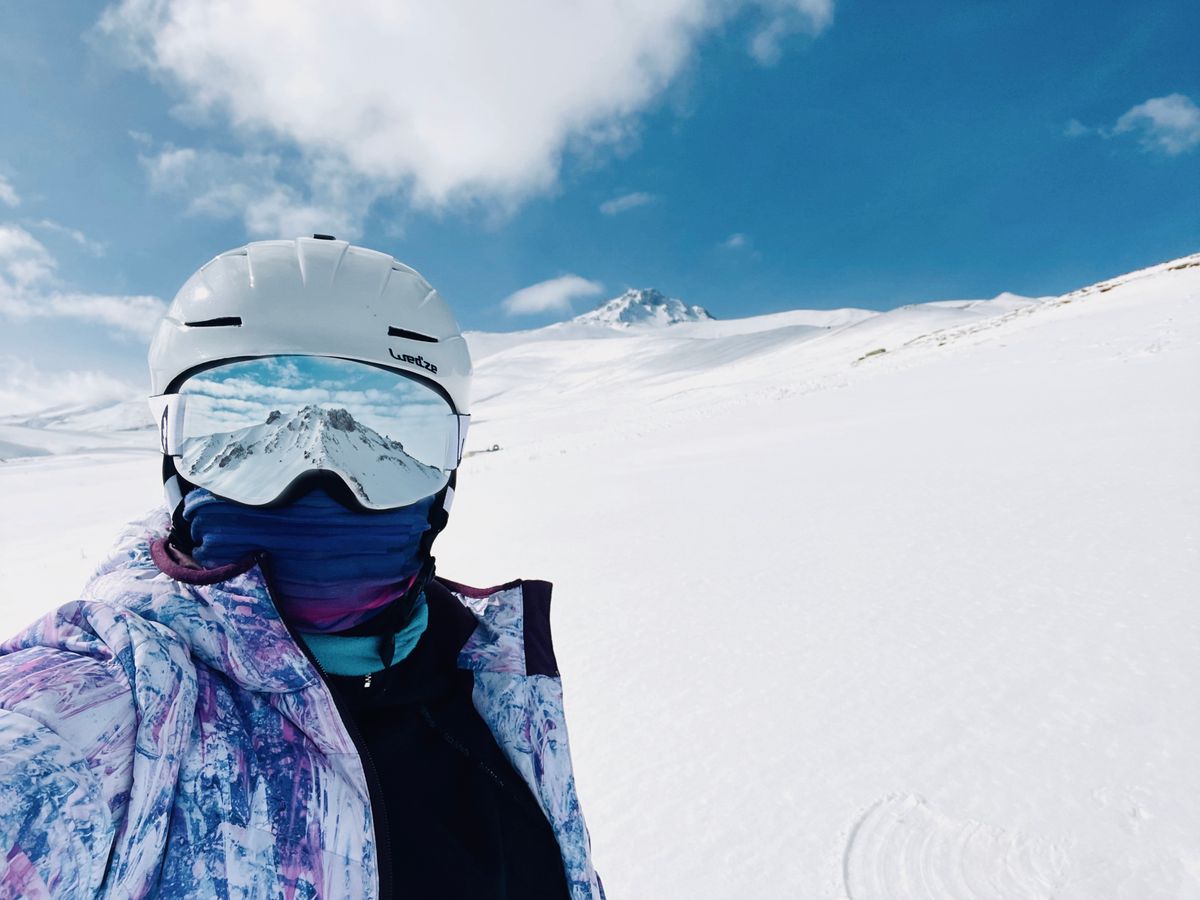
Q: Can you wear a Thermal Balaclava with a helmet? A: Yes, the low-profile seams of the Thermal Balaclava are designed to fit under standard ski or cycling helmets without creating pressure points. I wore mine under a hardshell helmet for four hours and experienced no skin irritation or shifting.
Q: How should a winter face mask be cleaned after heavy use? A: To maintain the integrity of the thermal fibers, the mask should be machine washed on a cold, gentle cycle and air-dried. I found that high heat in a dryer can damage the elastic properties of the spandex blend, reducing the snugness of the fit over time.
Q: Is the Thermal Balaclava suitable for high-intensity sports like hunting or sprinting? A: The mask is highly effective for high-intensity movement, provided you choose a model with specific breathability zones. For those stationary for long periods, such as in a blind, you may want to review our specifics on the hunting face mask cold weather to ensure maximum warmth retention during low-activity periods.
For those pushing their limits in the coldest months, understanding the nuances of gear performance is vital, especially when considering thermal balaclava running extreme cold scenarios.
Learn more about Thermal Balaclava at https://thermalbalaclava.com.