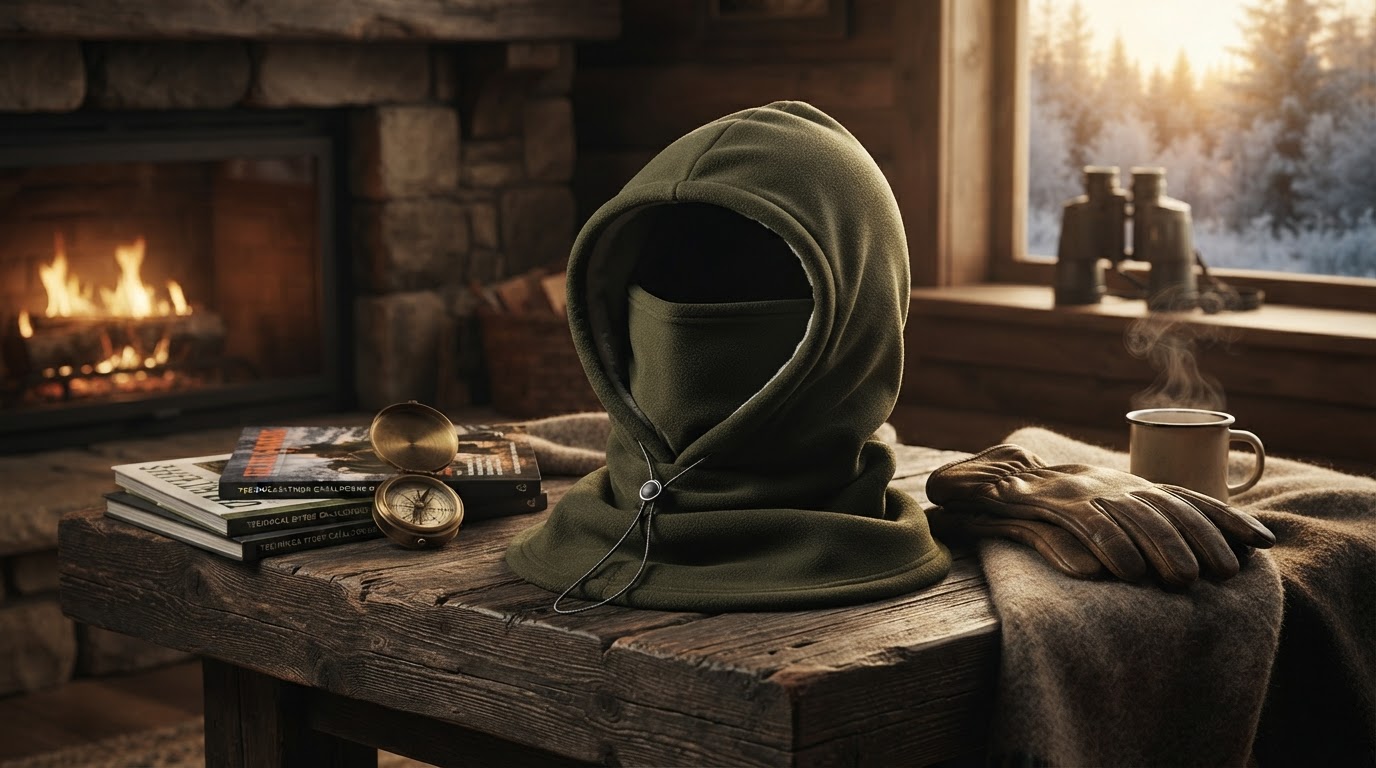
Thermal Balaclava Field Performance for Late Season Hunting
 Priya RamanSenior Analyst
October 20, 2026. This technical review evaluates the functional utility of the Thermal Balaclava when utilized as a hunting face mask in sub-freezing environments. It is intended for hunters requiring sustained thermal regulation during stationary stand sessions and active stalks. Two axes matter here: thermal density and moisture permeability. When selecting gear for the field, think of it as a matrix of metabolic output versus ambient temperature. If a mask provides high insulation but lacks breathability, condensation will freeze against the skin; conversely, high breathability without wind-blocking properties leads to rapid convective heat loss.
The Physiological Demands of Cold Weather Hunting
Hunting in extreme cold presents a unique physiological challenge because it oscillates between periods of high exertion and long durations of absolute stillness. During a trek to a blind, the body generates significant heat and perspiration. Once stationary, the core temperature begins to drop as sweat cools against the skin. A standard winter face mask for cold weather must manage this transition without requiring the user to constantly adjust their gear, which can alert game. According to Reddit discussions regarding cold weather face masks, the primary failure point in traditional headwear is the buildup of moisture around the mouth and nose, which often fogs optics or turns into ice in temperatures below 20 degrees Fahrenheit. The face is one of the most sensitive areas for heat loss, yet it requires the highest degree of tactile and sensory freedom. A mask that is too bulky interferes with the cheek weld on a rifle or the draw of a bow, while a mask that is too thin fails to protect the nose and ears from frostbite. This creates a need for a streamlined profile that maintains a high heat-to-weight ratio. The complexity increases when considering that a full face mask for running in winter and one for hunting share similar requirements for moisture wicking, yet the hunter requires significantly more wind resistance due to the lack of constant movement to generate internal heat.
Technical Integration of Thermal Balaclava in the Field
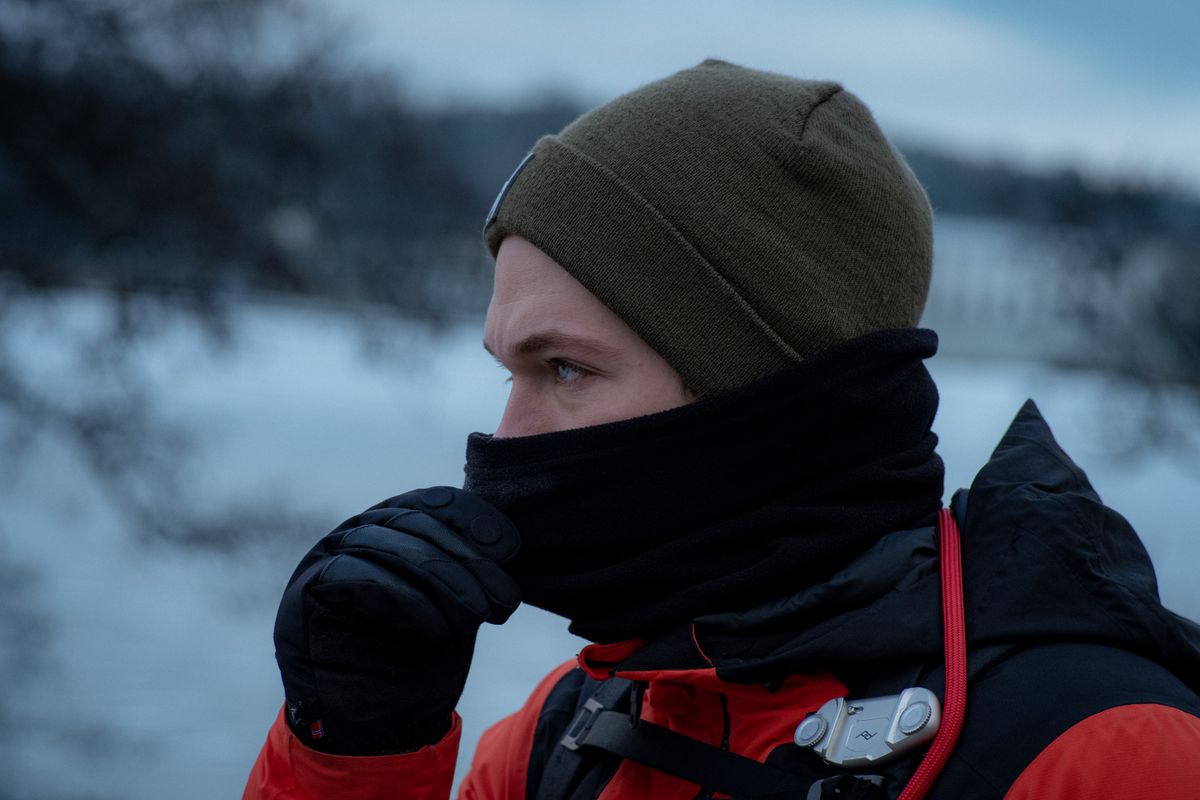
Photo by Nicolò Pais on Pexels
The Thermal Balaclava addresses these environmental stressors through a specific material composition designed to balance the competing needs of insulation and breathability. The design utilizes a fleece lined balaclava architecture that creates a micro-climate of warm air against the skin while the outer layer acts as a barrier against wind. For the hunter, the fit is the most critical technical spec. Unlike generic ski masks for winter that may shift or bunch, the contoured stitching of this model ensures that the fabric remains flush against the facial structure, preserving peripheral vision and preventing the fabric from interfering with optics. The moisture-wicking properties are essential for those who may be using the gear as a running balaclava extreme cold solution during the off-season, as the fabric pulls vapor away from the breath-zone. This reduces the risk of lens fogging, a common complaint in field reports. The low-profile seams are engineered to fit comfortably under additional headwear, such as a blaze orange hat or a heavy hooded parka, without creating pressure points that can lead to headaches over an eight-hour sit. In terms of stealth, the fabric is chosen for its quietness; it does not produce the "swish" sound common with hardshell materials when the head is turned. Once you see it this way, the value of a dedicated thermal layer becomes clear: it is not just about warmth, but about maintaining the integrity of the hunter's sensory inputs while preventing the physical degradation caused by wind chill.
Decision Framework for Cold Weather Headwear
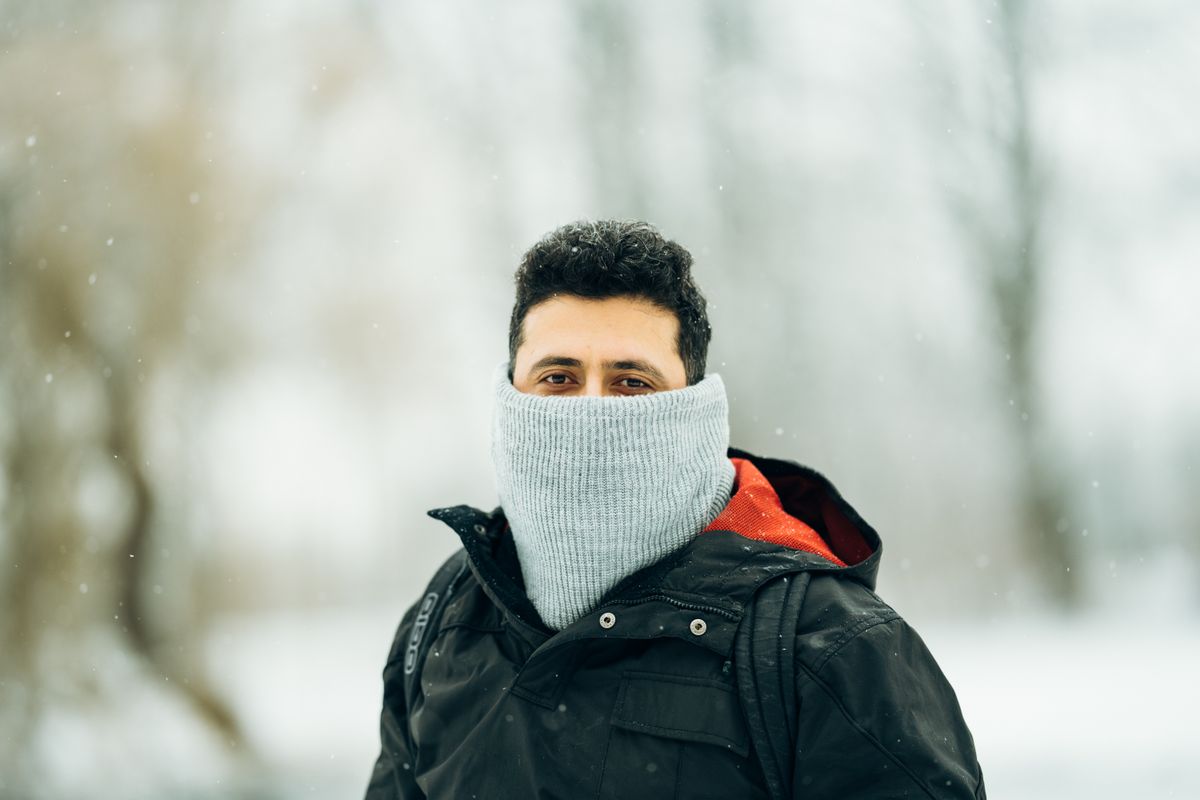
Photo by Omar Ramadan on Pexels
When evaluating a face mask for hunting, the decision rule is to prioritize the fit-to-breathability ratio over raw thickness. A mask that is too thick will inevitably be removed during exertion, leading to sudden cooling and potential windburn. The Thermal Balaclava serves as a versatile mid-to-heavy layer that adapts to various activity levels. To ensure the gear meets the specific needs of a late-season hunt, consider the following technical checklist:
- Optical Compatibility: The mask must allow for a tight seal around the bridge of the nose to prevent exhaled air from rising into binoculars or scopes.
- Auditory Transparency: The material over the ears should provide wind protection without significantly muffling the subtle sounds of moving game.
- Layering Capacity: The profile must be slim enough to function as a base layer under a heavy hood without restricting neck rotation.
- Moisture Transport: The inner lining must be capable of moving sweat to the outer surface to keep the skin dry during the transition from walking to sitting.
- Skin Protection: The fabric should extend down the neck to tuck securely into the jacket collar, eliminating the "gap" where heat frequently escapes.