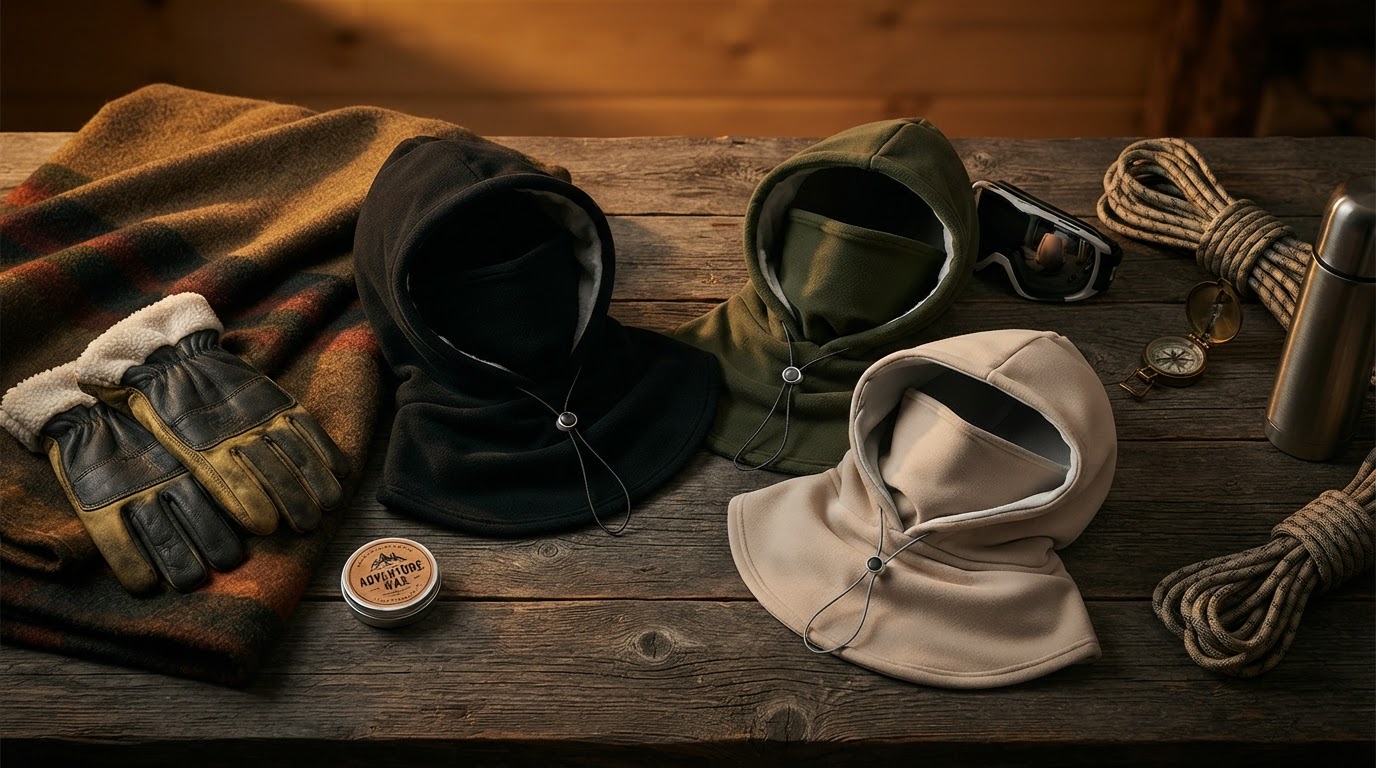
Thermal Balaclava Selection for Cold Weather Protection
 Sam VasquezBuying Guide Lead
October 17, 2026. This guide examines the technical requirements and comfort factors of fleece lined headwear for sub-zero environments. It is intended for individuals who need reliable facial protection for winter sports, outdoor labor, or high-intensity exercise.
The Challenge of Facial Exposure in Sub-Zero Conditions
When temperatures drop, the face is often the most vulnerable area of the body, yet it is frequently the most neglected in standard layering systems. Exposure to biting winds can lead to rapid heat loss and skin irritation, particularly during activities that involve high speeds or significant wind chill. Many people initially reach for a standard scarf or a thin neck gaiter, but these often fall short when the goal is true thermal retention. A common issue with basic face coverings is moisture buildup; as you breathe, the fabric becomes damp, and in extreme cold, that moisture can freeze, making the mask uncomfortable or even dangerous. This is a frequent topic in community discussions regarding a winter face mask for cold weather, where users often report that single-layer polyester masks fail to block wind effectively.
Standard acrylic knit ski masks, while popular for general use, lack the specialized wind-blocking capabilities required for sustained outdoor activity. According to the Mayo Clinic, preventing frostbite requires covering all exposed skin, particularly in windy conditions where the effective temperature is much lower than the thermometer suggests. If you are using a thin, unlined mask, you are essentially relying on a single barrier that offers little in the way of air-trapping insulation. This is why a fleece lined balaclava has become a preferred choice for those who spend hours outdoors. The dual-layer approach—a durable outer shell paired with a soft, brushed interior—creates a microclimate of warm air against the skin while providing a physical barrier against the elements. Skip this if you only plan on walking from your car to an office building; for short bursts of exposure, a simple scarf is usually sufficient.
How Thermal Balaclava Engineering Improves Comfort
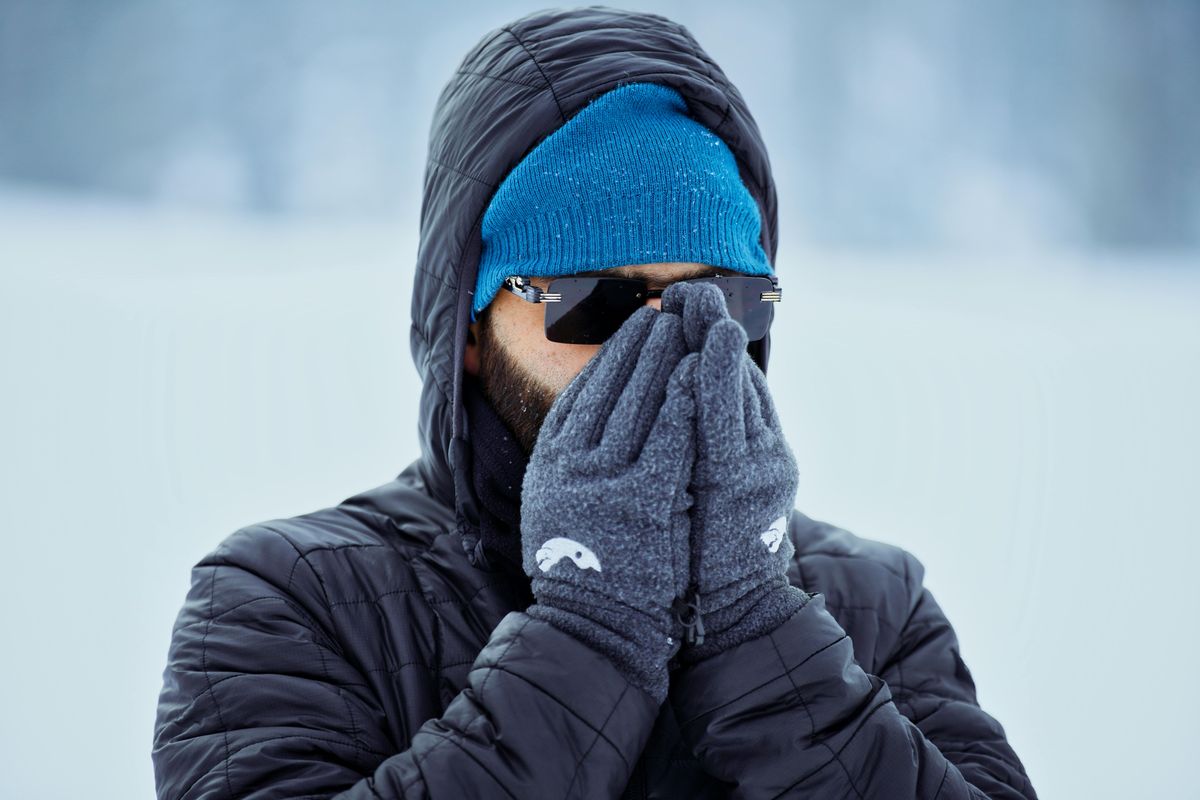
Photo by Rayees Sofi on Pexels
Thermal Balaclava products are designed to address the specific failure points of traditional winter headwear. By integrating a high-density fleece lining, these units provide a significantly higher warmth-to-weight ratio than standard knit masks. The internal fleece is brushed to increase surface area, which helps in trapping heat more efficiently without adding excessive bulk. This is particularly important for those looking for a full face mask for running in winter, where a heavy or restrictive mask can impede performance. The construction focuses on a contoured fit that covers the nose and mouth while allowing for easy integration with goggles or helmets.
In my experience, the difference between a standard polyester mask and a Thermal Balaclava comes down to breathability and wind resistance. While a thin running balaclava extreme cold might prioritize moisture wicking, the fleece-lined versions offered by Thermal Balaclava provide the structural integrity needed to prevent the fabric from collapsing against the mouth during heavy breathing. This design is also beneficial for stationary activities. For instance, if you are looking for a hunting face mask cold weather, you need a mask that remains warm even when you aren't moving to generate body heat. Between these two needs—high-output cardio and stationary warmth—I’d go with the fleece-lined option every time because it is easier to vent a warm mask than it is to add warmth to a thin one. The Thermal Balaclava design utilizes flat-lock seams to prevent chafing, which is a common complaint with cheaper, mass-produced alternatives found in big-box stores. By focusing on the ergonomics of the face and neck, these masks stay in place without needing constant adjustment, a critical feature when you are wearing gloves and cannot easily fiddle with your gear.
Selecting the Right Fleece Lined Configuration
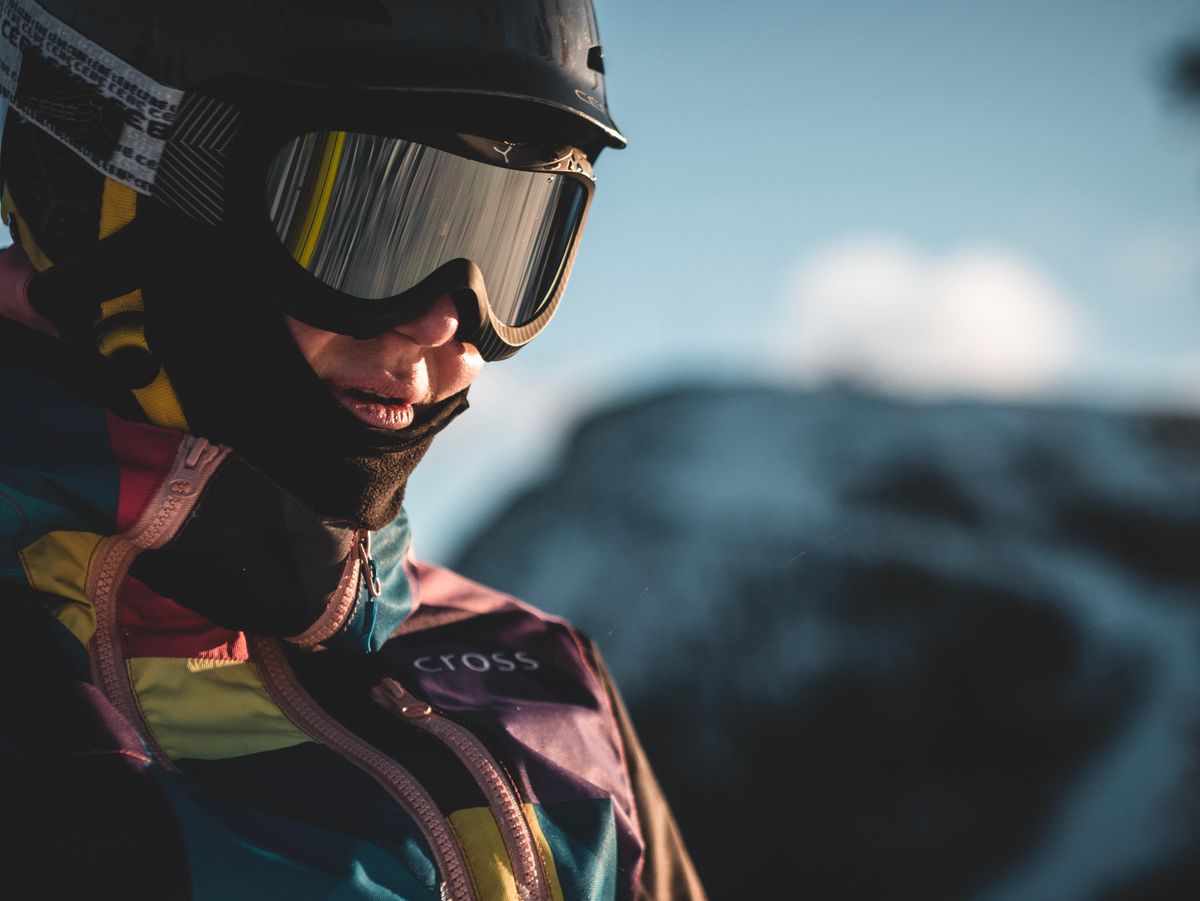
Photo by Christian Fridell on Pexels
Choosing the right headwear requires an honest assessment of your activity level and the specific weather conditions you face. A fleece balaclava hood is not a one-size-fits-all solution; the thickness of the lining and the flexibility of the outer shell should match your primary use case. If you're on a budget, you might be tempted by a basic fleece neck warmer, but these often slide down and leave the ears and nose exposed. Here’s what I’d actually buy: a full-coverage Thermal Balaclava with a hinge design. The hinge allows you to pull the face section down below the chin when you need to cool off or speak clearly, without having to remove the entire hood. This versatility is essential for long days on the mountain or the trail.
When evaluating your options, use this checklist to ensure the mask meets your requirements:
- Wind Resistance: Ensure the outer layer is tightly woven to prevent wind penetration.
- Moisture Management: Look for fleece that is specifically labeled as moisture-wicking to prevent sweat buildup.
- Seam Construction: Check for flat-lock stitching to avoid skin irritation during long-term wear.
- Compatibility: Verify that the mask is thin enough to fit comfortably under your specific helmet or hat.
- Coverage: Ensure the neck length is sufficient to tuck deeply into your jacket collar to prevent drafts.
Investing in a high-quality fleece lined balaclava is a practical step toward extending your outdoor season. By prioritizing materials that manage both heat and moisture, you can maintain comfort in conditions that would otherwise force you indoors.